Anthropic — the company behind Claude — has just completed the largest initial public offering (IPO) in history. Total funds raised reached around US$119.5 billion: US$93.5 billion from the IPO itself after the greenshoe overallotment option was fully exercised, plus a private placement of US$26 billion. That figure passes the previous record held by SpaceX, which raised US$86.25 billion at its IPO in June 2026.
But the celebration was short-lived. A day after its soaring debut, Anthropic’s shares reversed — and they did not fall alone. The Nasdaq plunged 5.28% in a single day, and Nvidia, the chip giant that is the backbone of the AI boom, fell 14%.
This article unpacks what happened, why markets panicked, and what it means for investors — including Indonesian retail investors holding US technology stocks.
A soaring debut, then a reversal
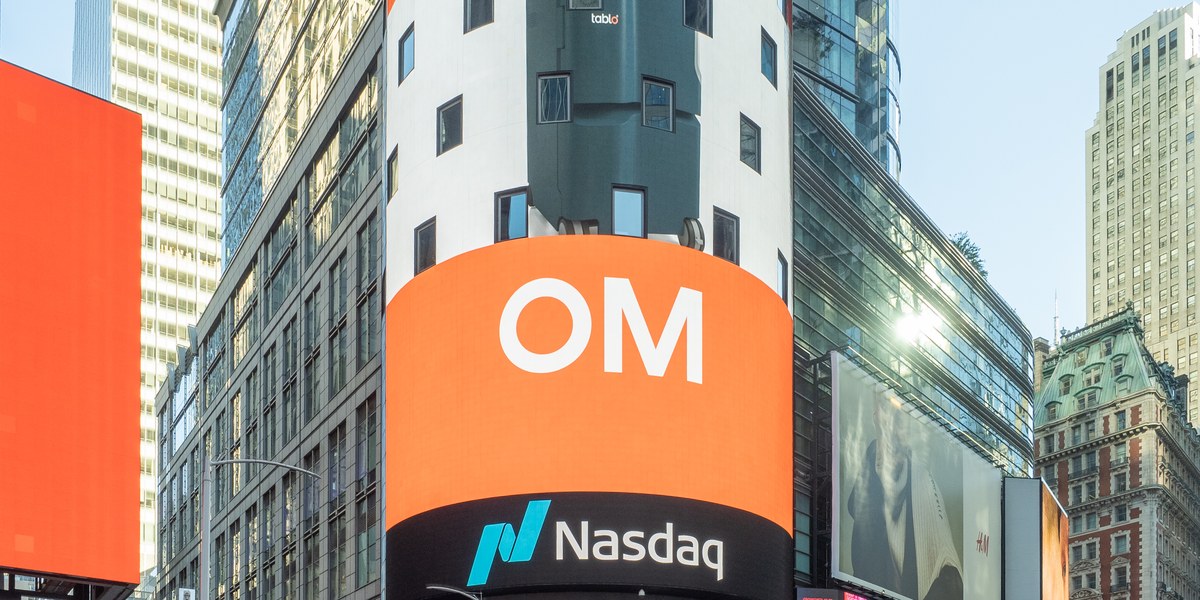
Anthropic listed on Nasdaq on 19 November 2026 at an IPO price of US$83 per share. Trading opened at US$111.50 — immediately 34% above the IPO price — and briefly touched US$115.10. At that point the company’s valuation briefly touched around US$2 trillion. The first day closed at US$97.17, still up 17% from the IPO price.
On the second day, 20 November, the story changed. Anthropic’s shares closed at US$88.30, down 9.1% in a day, and briefly touched US$83.05 — almost exactly back to the IPO price. The first day’s gain was almost entirely wiped out in a single trading session.
Nasdaq erases a full year of gains
Anthropic’s fall came amid a much broader sell-off. On 20 November, the Nasdaq index plunged 5.28% to 22,617.73 — erasing all the gains accumulated through 2026. The S&P 500 fell 3.7%, its seventh straight day of declines. Over the week, the Nasdaq fell 10%, its deepest weekly drop since 2020.
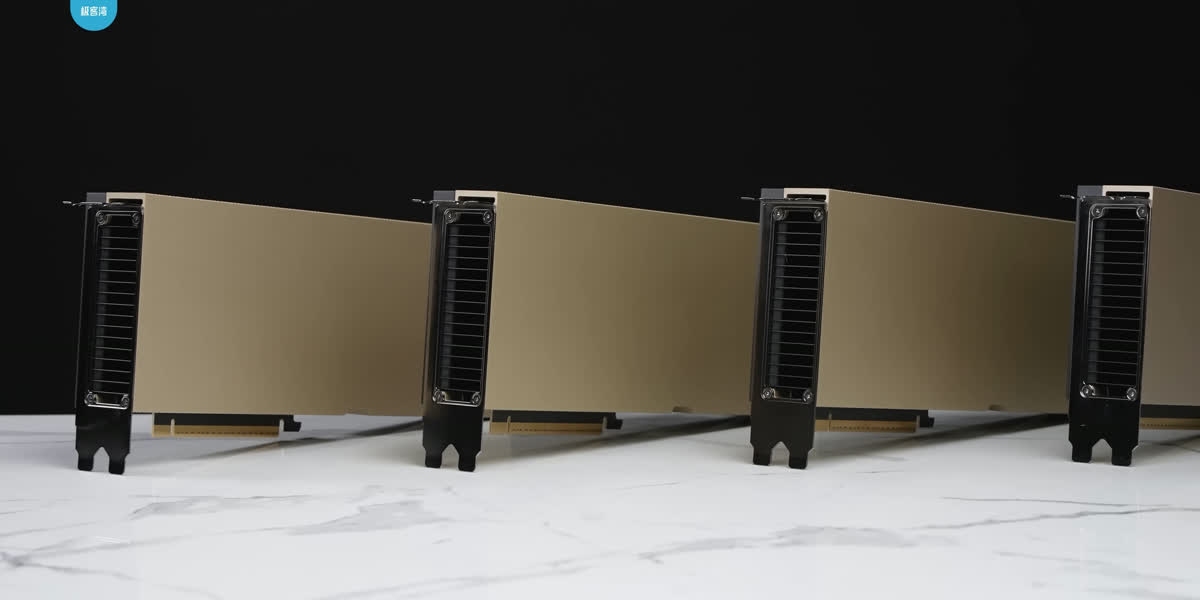
Chip stocks were the biggest victims. Nvidia fell 14% to US$125.53 — its worst day in almost two years — and fell 23% over the week, its worst weekly drop since October 2008. AMD and Broadcom each fell more than 12% on the same day.
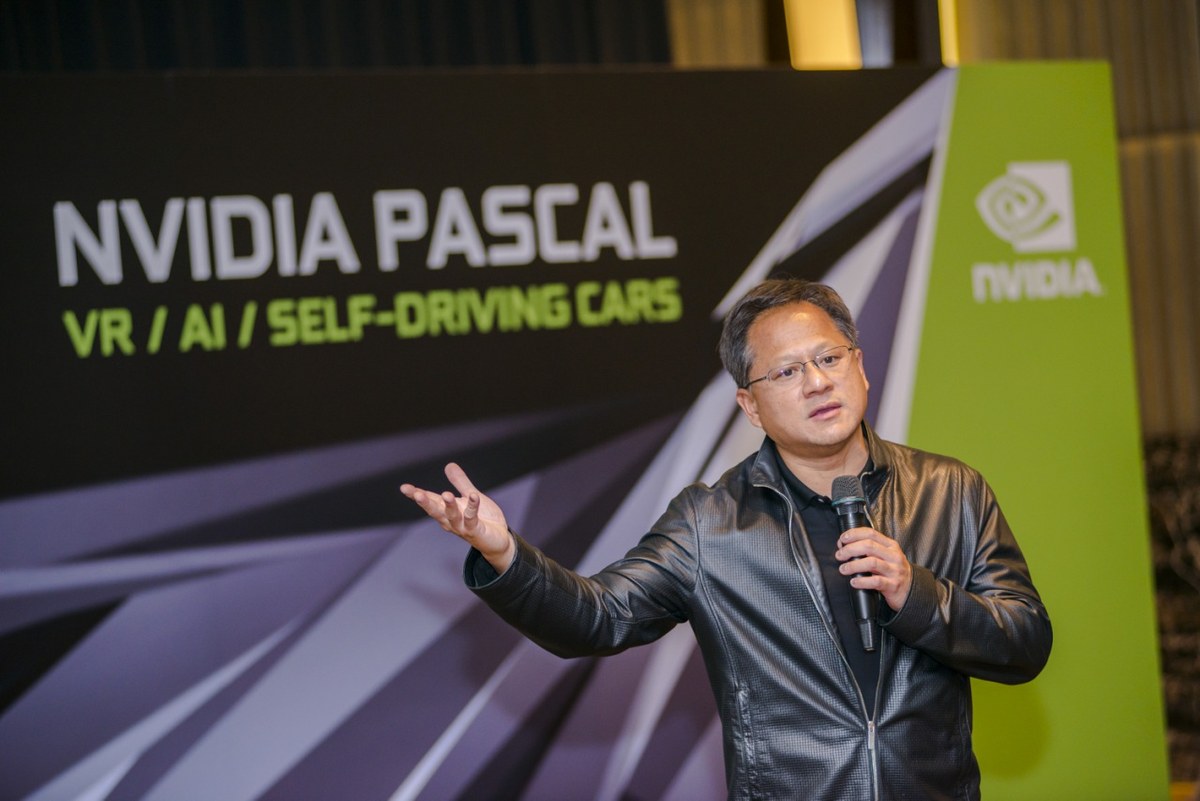 Jensen Huang presenting Nvidia’s Pascal architecture at Computex Taipei, 2016. Huang resigned as Nvidia CEO on 12 November 2026. Photo: NVIDIA Taiwan, Wikimedia Commons, CC BY 2.0.
Four triggers behind the sell-off
There was no single cause. At least four things piled up and triggered the sell-off at the same time.
First, Nvidia’s leadership crisis. Jensen Huang, the founder and CEO who led Nvidia for 33 years, resigned on 12 November 2026. On 17 November, Nvidia’s board confirmed it would not bring him back as CEO, and Colette Kress was appointed interim CEO. Reuters also reported that the US securities regulator (SEC) is examining potential accounting issues at Nvidia — that report is still being investigated, and the SEC declined to comment. Amid this uncertainty, an online petition asking for Huang’s return circulated widely; its signature counts differ between sources, so we do not cite them as a firm figure. President Donald Trump’s support for Huang’s return is a political statement, not a decision by Nvidia’s board.
Second, AI bubble fears. After years of soaring AI company valuations, some investors began questioning whether share prices had run too far ahead of real revenue. Anthropic’s record-breaking IPO — arriving just as those doubts peaked — became the trigger: when even the most anticipated newcomer stock corrected immediately, the market read it as a signal.
Third, slowing data centre construction. Growth in data centres, the engine of AI chip demand, was reported to be slowing, and that directly hit chip makers’ revenue prospects.
Fourth, chip export controls to China. US AI chip export restrictions to China continue to pressure a market that has been one of the biggest growth sources for Nvidia and its competitors. (Read also: US AI chip licensing rules and Indonesia’s position and the Megaspeed case.)
The Nvidia paradox: strong performance, falling shares
What makes this correction confusing: Nvidia’s own financial performance remains strong. The company’s quarterly revenue was recorded at US$115.8 billion, up 103% from the previous year.
The shares did not fall because Nvidia is losing money — the company just posted record revenue. Shares fell because the market buys expectations about the future, not past financial reports. When leadership changes, regulators investigate, and data centre growth is questioned, it is those expectations that collapse — even though this quarter’s figures remain very strong.
This is what separates a correction from a fundamental collapse: what the market sold was confidence, not evidence that the business has stopped growing.
What it means for Indonesian investors
This story is directly relevant to readers in Indonesia. The keyword “saham” (stocks) entered Indonesia’s search trends on the morning of 22 November — most likely driven by the Nasdaq’s fall on Friday night US time. Many Indonesian retail investors hold US technology stocks, directly or through mutual funds and technology ETFs.
The question now being debated everywhere — including in financial media comment sections — is: is this the AI bubble finally bursting, or just a healthy correction after years of gains?
The honest answer: no one can be sure yet. What can be said now are three things. First, a 10% correction in a week for the Nasdaq is indeed deep, but not unprecedented — a weekly drop this deep last happened in 2020. Second, its main triggers are not one company, but a combination of a leadership crisis, valuation doubts, data centre slowdown, and export restrictions. Third, the financial performance of the big AI companies — including Nvidia — remains strong, so the thesis that “AI has no real revenue” is not entirely accurate.
For investors, this week’s lesson is simple: a share price can fall 14% in a day even when the company has just reported revenue doubling. Markets price certainty — and this week, that certainty is what disappeared.
Read also our coverage of Anthropic’s IPO on day one: Anthropic IPO at US$83, ANT shares begin trading. And the facts behind the “Musk hired Jensen Huang” story: Elon Musk did not hire Jensen Huang — here is what actually happened.