Signal has taken an unusual step for a messaging app: it is starting to block its own users from taking screenshots. The goal is not to stop people saving messages, but to stop AI agents that now live inside phone operating systems — and read whatever appears on screen.
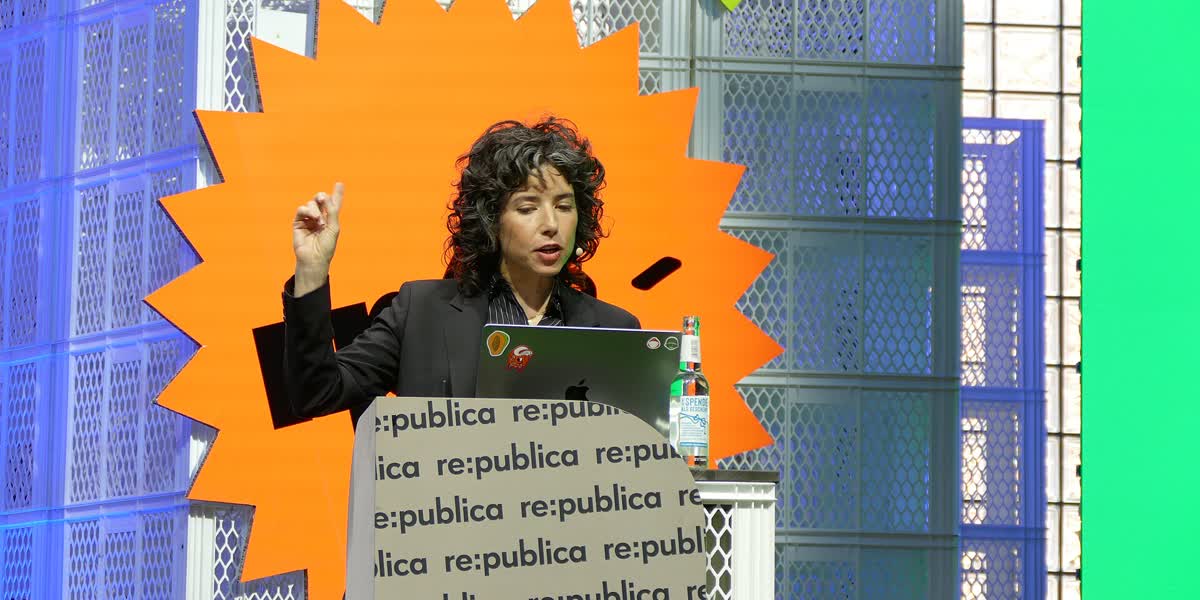
The change was announced by Signal president Meredith Whittaker in a blog post on Friday, 20 November 2026. On iOS 27, Signal blocks screenshots inside the app by default and adds a new setting called “Block Siri AI”. On Android, Signal automatically enables the Screen Security feature as soon as it detects an AI assistant trying to read the screen. The move targets Google’s Gemini Intelligence and Apple’s Siri Onscreen Awareness — two features that work by “scanning” screen contents to answer questions and carry out user commands.
The problem, according to Whittaker, is that Signal data gets caught in that process. “Your sensitive data is captured, stored, and made accessible to whatever local database or remote server the OS-level AI agent is using at the time,” she wrote. All of that happens outside Signal’s control once the data is captured — and endangers the privacy of everyone in the conversation.
Whittaker does not mince words in calling OS-level AI integration an “existential threat” to Signal’s mission. End-to-end encryption still works as designed, but that guarantee becomes a mere formality if the operating system hands decrypted messages to an AI agent.
What changes on each platform — and its limits
This new protection is not the same on every device. On iPhone, blocking is on by default; users who still want to take screenshots can switch it off in settings, but Signal warns that could expose their messages — and their contacts’ messages — to AI assistants.
On Android, the approach is reactive: Screen Security only switches on when Signal detects an AI assistant trying to access the screen, and Signal admits that detection only works on some Android versions. On macOS, there is no blocking at all — Signal says Apple provides no documented tool to reliably block screenshots, so users are asked to exclude Signal from Siri via System Settings. On Windows, Signal already blocked Microsoft Recall last year.
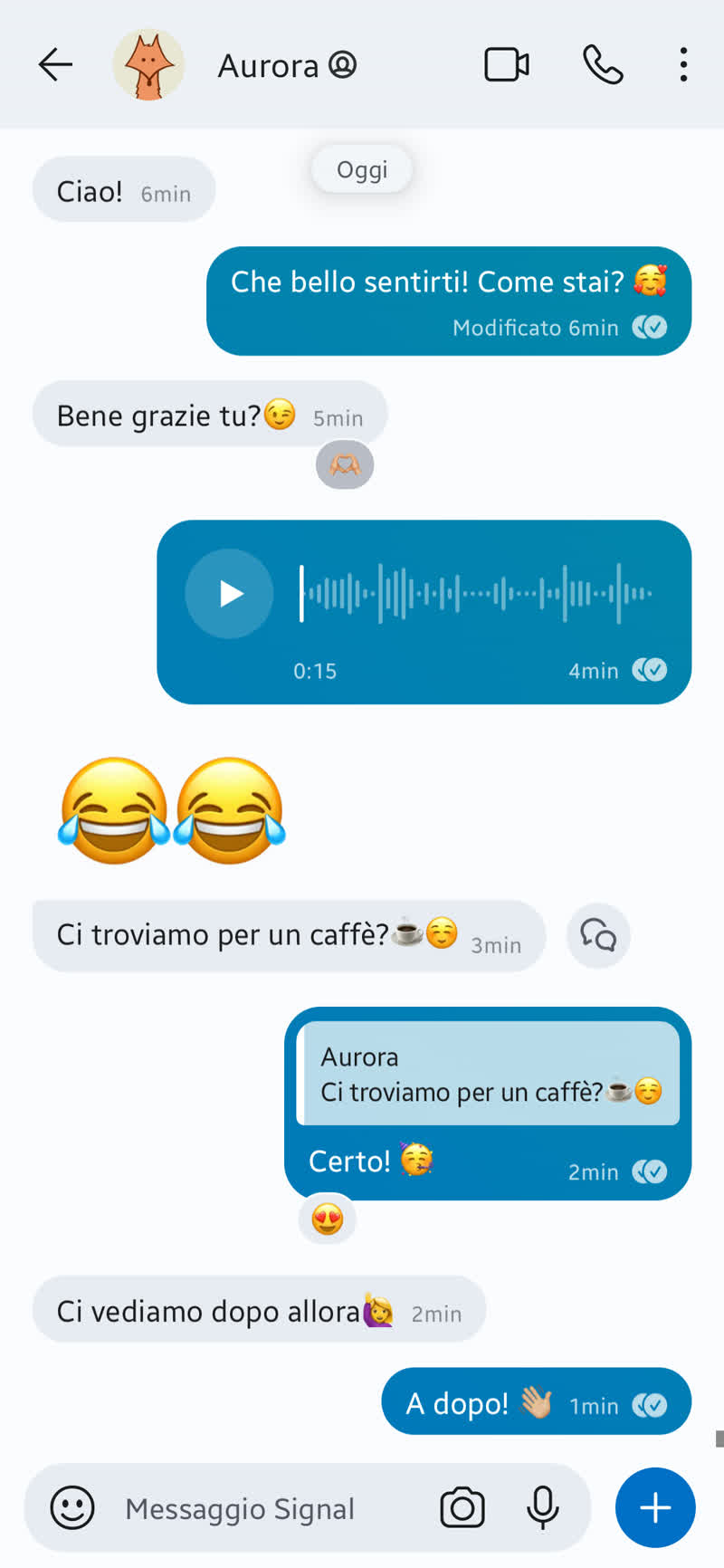 The Signal app on Android. Photo: Wikimedia Commons (AGPL licence).
Whittaker herself admits the remedy is incomplete. Blocking screenshots does not stop sneakier ways of accessing app data — for example, taking content already on the device via the file system. The protection also does not help if the person you are talking to switches the protection off on their device: your messages can still be read on their side.
Not just about Gemini and Siri
Signal also highlights third-party agents, especially Meta’s Muse. According to a Reuters report cited by Engadget and The Register, Muse reads Signal messages via notification permissions on Android and via accessibility and screenshot permissions on Mac — while on iPhone it is blocked. A Meta employee even found Muse slipping someone else’s bank balance into their chat. Whittaker calls Muse “technologically sloppy”. Meta calls those incidents isolated cases and hallucinations that have been handled.
Signal therefore demands that operating system makers provide a standard system-level way for developers to refuse AI agent access — via screen reading, the file system, notifications, and other system features — without sacrificing the app’s core functions. Signal says it is talking to Apple and Google about this, and is “cautiously optimistic” about the direction of those talks.
Why this matters for Indonesia
Signal’s lesson reaches far beyond one app. OS-level AI agents do not only read Signal — they read whatever appears on screen, in any app. Encryption protects messages as they travel across the network, but it does not protect the moment a message appears on screen, already decrypted, as plain text.
For users in Indonesia, the message is practical: check the permissions you have already granted — notification access, accessibility, and screen recording — to assistants and AI agents on your phone. And if an app you trust has to block screenshots just to keep its promise, that is a sign the privacy front line has shifted: from the network, to your own screen.
Sources: The Register — “Signal slams door on prying AI agents to protect privacy”, Engadget — “Signal now blocks screenshots by default to stymie AI agents”, Gizmodo — “Signal Is Fighting to Keep AI Agents Out of Your Private Messages”, Decrypt — “Signal Calls OS-Level AI an ‘Existential Threat’ and Blocks Screenshots to Fight It”. Read also: WhatsApp Raises Group Limit to 1,500 Members.